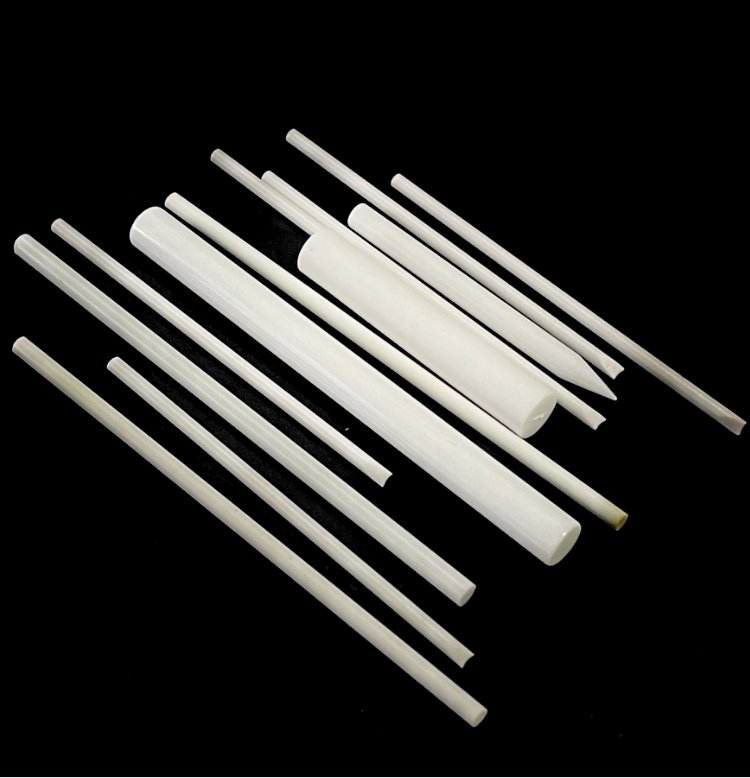
HERUN manufactures custom alumina ceramic rods, Al2O3 rods, ceramic pins and shafts for electrical insulation, wear resistance, furnace fixtures and OEM assemblies. Send a drawing, sample photo or dimensions for fast review.
Alumina rods are useful when metal conducts electricity, plastics cannot handle heat, or ordinary materials wear too quickly in repeated contact.
Alumina rods for heaters, sensors, high-voltage assemblies and electrical isolation fixtures.
Hard ceramic pins for positioning, sliding contact, automation tooling and low-wear machine parts.
High-temperature Al2O3 rods for kilns, thermal equipment, welding jigs and process fixtures.
Custom diameter, length, chamfer, end grinding and packaging for repeat OEM orders.
Diamond-ground outside diameter and polished surface options for assembly fit or sliding use.
Prototype review, production quantity quotation and export-ready packing for global buyers.
| Option | When to choose it | Notes |
|---|---|---|
| 95%-96% alumina | General wear, insulation and cost-sensitive OEM parts | Good balance of performance and cost |
| 99%+ alumina | Higher insulation, cleaner process or higher temperature use | Better purity, higher material cost |
| Ground / polished OD | Assembly fit, sliding contact, guide shafts and precision pins | Requires clear tolerance and finish request |
Typical values for comparison - request a datasheet for guaranteed specifications.
A drawing is best, but a clear sketch or sample photo can start the discussion.
Diameter, length, end shape, holes, slots and any critical assembly size.
OD tolerance, straightness, roughness, polished surface and chamfer request.
Temperature, insulation, wear, load, chemical exposure and contact material.
Yes. HERUN manufactures alumina ceramic rods from drawings, samples or dimensions, including custom diameter, length, tolerance, chamfer and surface finish.
Common choices include 95% to 99% alumina. The right grade depends on insulation, wear, temperature, chemical exposure and cost target.
Please provide diameter, length, tolerance, material grade, surface finish, end treatment, quantity and working conditions such as heat, wear or electrical insulation.