Solid rods
Alumina or zirconia rods for insulation, wear, support or positioning duties.
HERUN manufactures ceramic rods, tubes, shafts, pins, sleeves and protection tubes for insulation, wear, heat and corrosion applications. Custom outer diameter, inner diameter, length, holes, chamfers and surface finish are available.
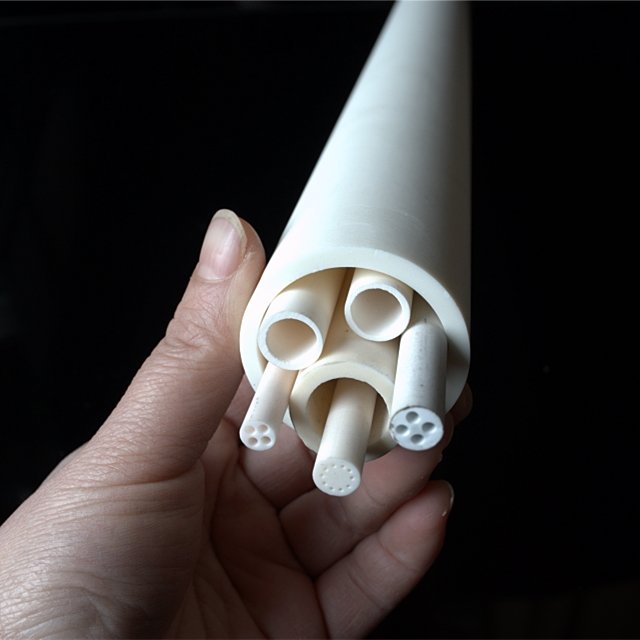
The same basic shape can serve very different purposes depending on material, tolerance and finish.
Alumina tubes for electrical insulation, heating equipment, furnace supports, sensors and protection sleeves.
High-temperature tubes that protect sensors in furnaces, kilns and thermal process equipment.
Solid rods, pins, plungers and guides for wear-resistant contact and positioning.
Smooth wear components for pumps, valves, automation and sliding assemblies.
Perforated and multi-bore tubes for heating, electrical and process applications.
Custom length, chamfer, end face grinding, polishing and inspection according to the drawing.
Alumina is usually selected for insulating tubes, high-temperature supports and cost-effective rods. Zirconia is selected for tougher rods, shafts, sleeves and smooth wear surfaces.
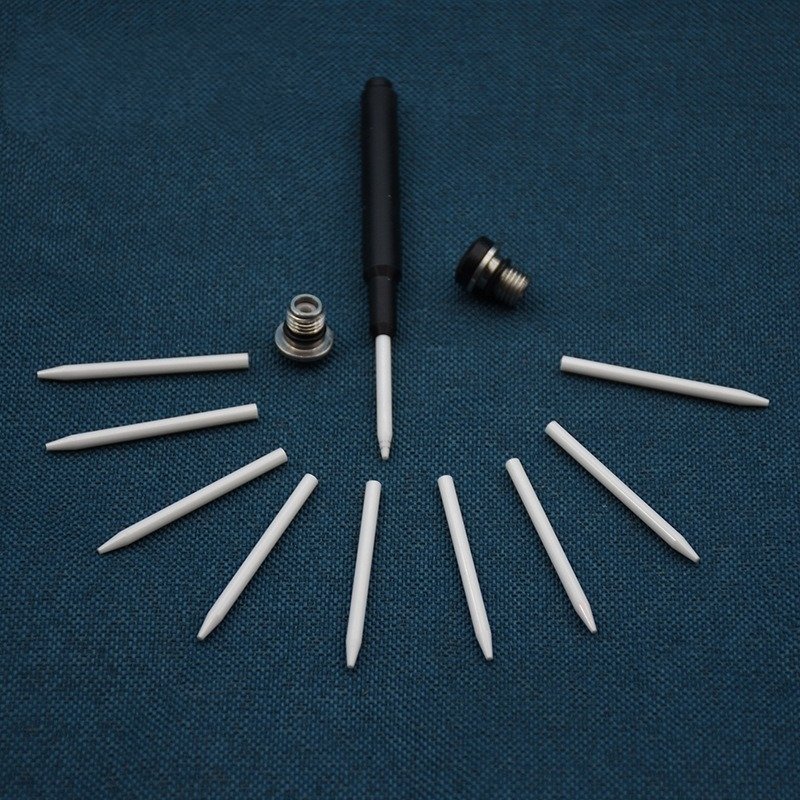
For ceramic rods and tubes, small dimensional differences often decide whether the part fits. HERUN reviews the drawing and confirms the key dimensions before production.
Round ceramic parts often look simple, yet function can depend on diameter, straightness, roundness, bore, finish and edge details. HERUN reviews alumina or zirconia parts against the assembly and duty rather than quoting from length and diameter alone.
Alumina or zirconia rods for insulation, wear, support or positioning duties.
Ground or polished parts with custom ends, steps or working diameters.
Round precision components where fit, wear and surface condition matter.
Alumina tubes for electrical isolation, heater support or thermal protection.
Custom bore and OD relationships for protection, alignment or sliding contact.
Steps, flanges, side holes or end features reviewed from the drawing.
| Feature | Why it matters | RFQ detail |
|---|---|---|
| Diameter and length | Long, slender ceramic parts require careful handling and straightness review. | Overall length, working length and critical diameter zones. |
| Bore and wall thickness | Thin or deep features affect forming and firing feasibility. | Bore diameter, length, concentricity and minimum wall. |
| Working surface | Sliding or sealing surfaces may need grinding or polishing. | Finish, counterface, speed and lubrication. |
| Ends and edges | Sharp edges can chip during use or assembly. | Chamfer, radius, shoulder, thread or end-face requirements. |
Approximately 0.01 mm may be reviewable on suitable ground diameters or other accessible precision features. Feasibility depends on material, length-to-diameter ratio, geometry, size, finish and inspection method.
Alumina is often the practical starting point for electrical insulation, elevated-temperature support and cost-effective wear. Zirconia is often considered for tougher compact pins, shafts, sleeves and polished sliding contact. The final choice should be checked against the actual assembly.