HERUN manufactures custom ceramic parts from drawings, samples and working conditions, including alumina and zirconia rods, tubes, rings, sleeves, washers, spacers and OEM components. Share the material, dimensions, quantity and working condition first, and we will recommend a practical manufacturing route.
Share the part, material, dimensions and quantity. Jim Yang normally replies within 24 hours.
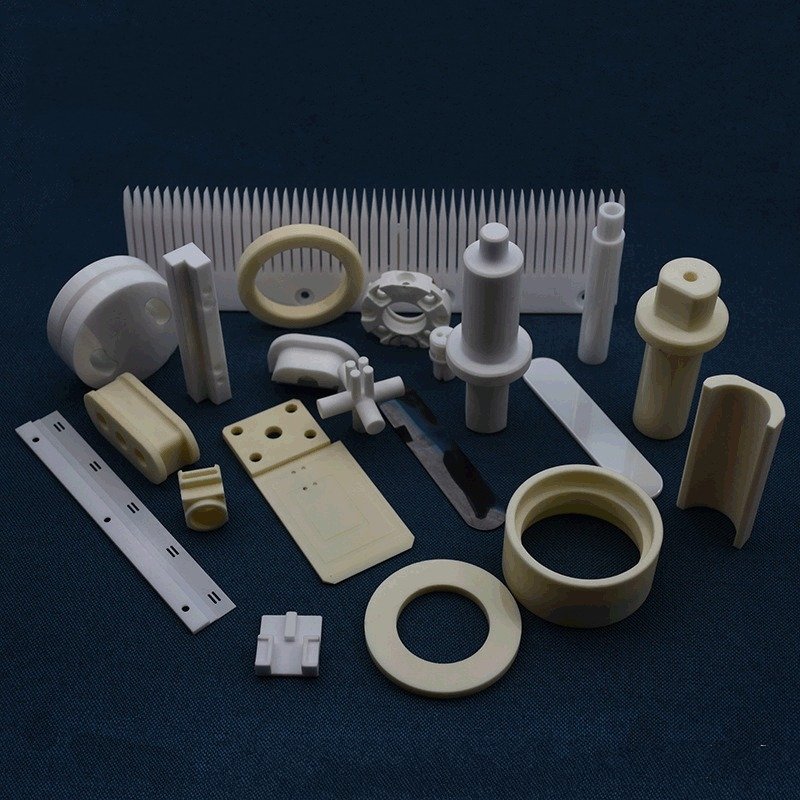
Most customers do not need a catalog part. They need custom ceramic parts that fit their machine, fixture or process, with the right material, tolerance and surface finish.
Ground alumina and zirconia ceramic rods for guides, plungers, positioning pins, pump shafts and low-wear sliding parts.
Insulating tubes, thermocouple protection tubes, spacers, bushings and precision sleeves with custom inner and outer diameters.
Seal faces, ceramic washers, doctor rings, pump rings and wear-resistant round parts with lapped or polished surfaces.
Machined plates, substrates, fixtures, blocks with holes, wear plates and insulating supports for high-temperature equipment.
Custom caps, nozzles, tips, sleeves and special geometry parts for automation, printing, spraying and machinery systems.
Batch production after prototype approval, with material advice, inspection and export packaging for global buyers.
Explore rods, seals and custom components, or compare materials before specifying your part.
Custom Al2O3 rods, pins and shafts for insulation, wear resistance, furnace fixtures and OEM equipment.
Ceramic seal rings, faces, sleeves and pump wear components made from drawings or measured samples.
Explore drawing-based parts for your equipment, including insulating supports, spacers and precision wear components.
Compare hard ceramic materials and choose manufacturable alumina or zirconia wear parts for real equipment.
Buyers use different words for the same need: custom ceramic parts, customized ceramic parts, bespoke ceramic parts or made-to-drawing ceramic components. HERUN treats these as drawing-based OEM ceramic parts made around your dimensions, working condition and quantity.
Typical requests include alumina rods, zirconia sleeves, ceramic tube insulators, precision rings, washers, spacers and special ceramic components that cannot be purchased as standard catalog items.
Material choice depends on load, temperature, electrical insulation, chemicals, friction and cost target. HERUN mainly supports custom alumina and zirconia components, with other advanced ceramics quoted when the application is suitable.
A drawing is best, but a clear photo and dimensions are often enough for the first discussion. For difficult parts, the working environment helps us avoid the wrong material or finish.
These pages give engineers a direct path from their problem to the right ceramic component.
Alumina and zirconia rods, shafts, sleeves, insulating tubes and protection tubes in custom dimensions.
Custom alumina rods, pins and shafts for insulation, wear resistance, high-temperature guides and fixtures.
Commercial quote page for Al2O3 rods, ceramic pins, shafts and insulating rod components made from drawings.
High-temperature and electrical insulation parts for fixtures, welding, furnace, sensor and machinery use.
Alumina tube insulators for wires, heating elements, sensors, furnace equipment and electrical assemblies.
Precision rings, seal faces, washers and wear-resistant round components for pumps and rotating equipment.
Custom ceramic seal rings, sleeves and mechanical seal components for pump, valve and rotating equipment buyers.
Use these articles to compare materials, prepare drawings and choose ceramic parts for real industrial applications before requesting a quote.
Compare wear, insulation, toughness, surface finish and cost before choosing a material for custom parts.
Drawing-based alumina and zirconia ceramic components for industrial OEM buyers and equipment manufacturers.
Learn what drawings, dimensions, tolerances, quantities and working conditions are needed for a fast quote.
Choose custom ceramic tubes, washers, spacers and insulating parts by heat, voltage and assembly method.
Alumina rings, washers and spacers for insulation, high temperature support and wear-resistant assemblies.
Precision zirconia sleeves, bushings and guide parts for sliding contact, shafts, pumps and valves.
High-temperature insulating tubes, sleeves and sensor protection components made from custom drawings.
Custom ceramic seal rings, sleeves, faces and pump wear parts for mechanical seal applications.
Turn searches for hard ceramic materials into practical choices for sleeves, rods, rings and wear parts.
Learn how drawing-based ceramic parts move from design, material choice and tolerance to quotation.
Alumina rods, tubes, rings, washers and insulators for hard, heat-resistant industrial assemblies.
Compare ultra-hard ceramic material choices and connect them to custom industrial component designs.
Discuss custom alumina plates, insulating spacers, sleeves and fixture components for your equipment. Suitability depends on the part's function and operating environment.
For ceramic substrates and insulating plates, include length, width, thickness, hole positions, edge details and the surfaces that contact other components. Identify which dimensions and flatness requirements are essential to the assembly.
Tell us whether the request is for a bare ceramic part or requires metallization, conductive patterns or bonding. Those additional processes need a separate capability review before quotation.
For semiconductor equipment, identify whether the part is a fixture, electrical insulator, support or process-contact component. Include operating temperature, thermal cycling, vacuum exposure and cleaning chemicals where relevant.
Specify any particle, purity, surface cleanliness or packaging requirements. Semiconductor process compatibility and acceptance criteria must be agreed for the particular application; they are not implied by the material name alone.
Mark the features that matter to performance so the quote reflects your actual assembly requirements.
| Component | Details to include | Application information |
|---|---|---|
| Rods and pins | Diameter, length, straightness, end shape and mating fit. | Sliding contact, positioning, insulation or support; describe the load. |
| Tubes and sleeves | Inner and outer diameter, length, wall thickness and concentricity where critical. | Mating shaft or housing, operating clearance and temperature. |
| Seal rings | Ring dimensions, sealing face, flatness and surface finish requirements. | Counterface material, fluid, pressure, speed and operating temperature. |
| Plates and substrates | Thickness, flatness, hole pattern, edge condition and contact surfaces. | Mounting method, electrical function, heat exposure and any coatings. |
Achievable tolerances and inspection requirements are confirmed after reviewing the material, geometry and quantity. If a dimension is not critical, identify it separately from the functional fits.
Describe the part, material preference, dimensions, application and quantity. A sketch or sample photo can help when a finished drawing is not available. Include the current failure mode when replacing a worn or broken component.
Before ordering, confirm the drawing revision, material grade, critical dimensions, finish, inspection documents and delivery requirement with us.
For a new design, discuss a prototype or sample evaluation before committing to repeat quantities. Define the checks needed for fit and function in your equipment.
Request any material certificates, dimensional reports, traceability or special packaging at quotation stage so availability and cost can be confirmed. Lead time and minimum order quantity depend on the reviewed part.
Yes. Start with the part's purpose, approximate dimensions, quantity and a sketch or sample photo if available. Final production dimensions and acceptance requirements need to be agreed before manufacturing.
We can review inquiries for custom alumina substrates, plates and insulating components. Include the equipment function, material grade, geometry and cleanliness requirements. Metallization, coatings and process compatibility require a separate review.
These depend on material, geometry, finishing, tooling and inspection needs. Share both your trial quantity and expected repeat demand so the quotation can address each stage.
Compare materials, review component types and prepare the specifications for your next inquiry.