Sleeves and bushings
Precision bores, outside diameters and working surfaces for sliding or guiding contact.
Zirconia ceramic is selected when a ceramic part needs higher toughness, smooth sliding performance and excellent wear resistance. HERUN produces zirconia rings, rods, shafts, sleeves, nozzles, screws and custom components from drawings.
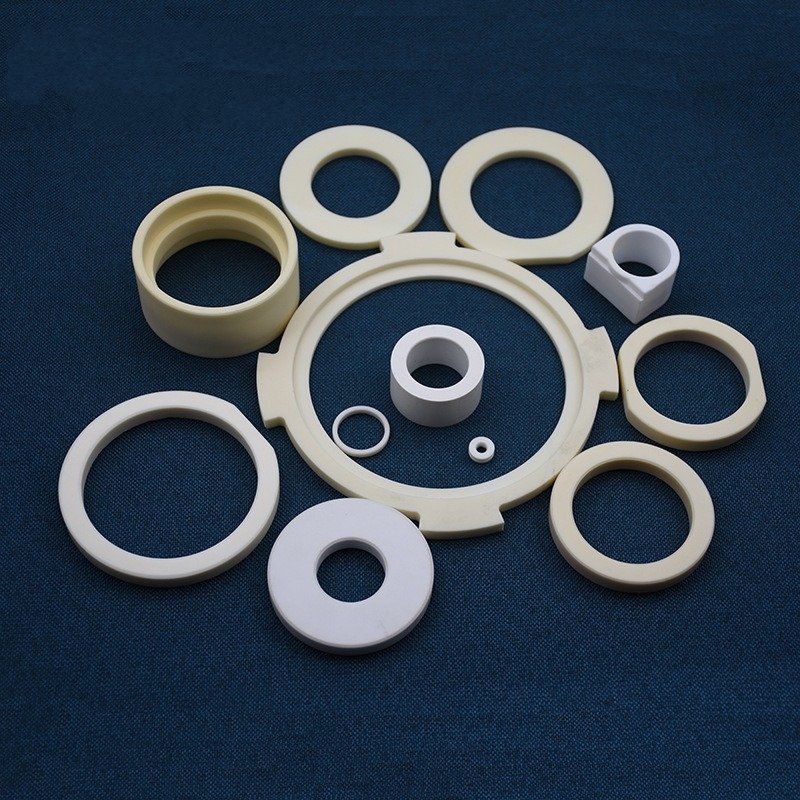
Zirconia is useful for moving contact, sealing and precision wear parts where ordinary materials wear too quickly.
Seal rings, doctor rings, washers and lapped round components for pumps, printing equipment and mechanical assemblies.
Precision rods, pins, plungers, shafts and guides with ground or polished surfaces.
Wear-resistant sleeves, bushings, nozzles and small tubes for sliding or fluid-contact applications.
Custom spray nozzles, ceramic tips, small caps and precision parts based on samples or drawings.
Insulating and corrosion-resistant fasteners for fixtures, equipment and high-wear assemblies.
Machined blocks, wear pads, positioning parts and plates with holes or special features.
Zirconia parts often require careful sintering and precision grinding. For seal and sliding surfaces, surface finish and roundness can be more important than only the material name.
Send the assembly position, matching material and drawing tolerance so we can review the most important dimensions first.
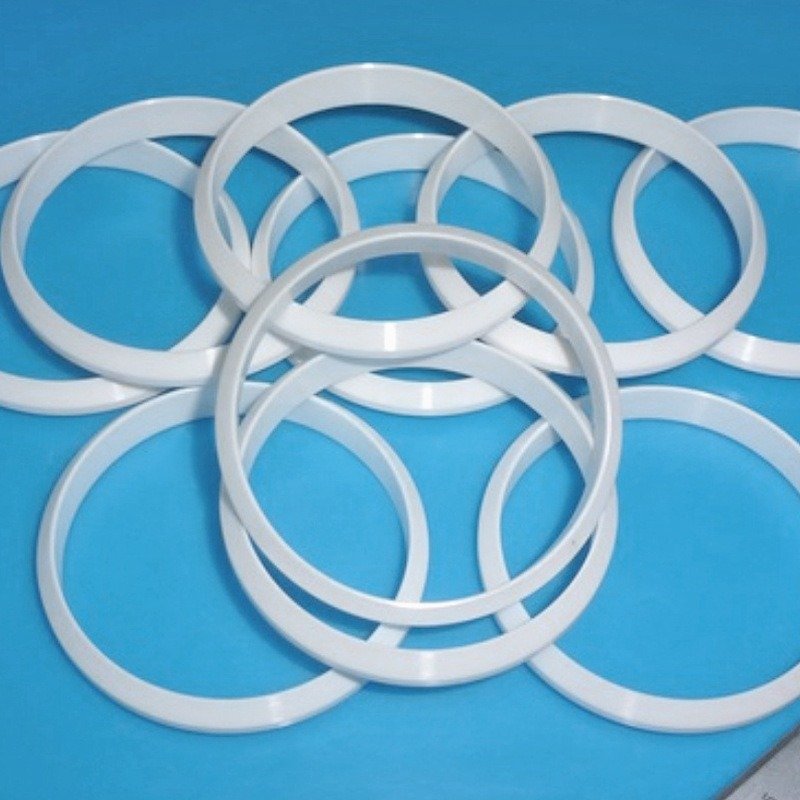
HERUN can make small trial quantities before batch production. This is useful for ceramic components that must fit an existing machine or replace a metal part.
Zirconia is commonly considered where a ceramic component needs better resistance to edge damage than alumina, a smooth working surface or reliable wear behaviour in a compact geometry. Material selection still depends on the complete assembly and operating condition.
Precision bores, outside diameters and working surfaces for sliding or guiding contact.
Ground or polished round parts for wear, positioning, dosing and mechanical movement.
Seal rings, wear rings and faces where flatness, finish and mating material need joint review.
Small, wear-resistant parts with bores, outlets and exterior features defined by the drawing.
Components that locate, guide or protect other parts in industrial equipment.
Custom steps, holes, grooves and profiles subject to forming, sintering and grinding feasibility.
| Design factor | Review point | Useful RFQ detail |
|---|---|---|
| Impact and edge loading | Zirconia is tougher than alumina, but thin edges and sharp corners still need care. | Load direction, contact points and preferred radii or chamfers. |
| Sliding contact | Finish, roundness and the counterface can matter as much as material. | Mating material, speed, lubrication and wear failure mode. |
| Temperature | Grade and environment affect whether zirconia is the right choice. | Continuous and peak temperature plus atmosphere. |
| Precision features | Grinding cost rises when every dimension is tightly toleranced. | Identify functional dimensions and acceptable noncritical limits. |
For suitable features, HERUN can review a target tolerance around 0.01 mm. Final capability depends on the zirconia grade, feature type, geometry, size, surface finish and inspection method.
If an existing metal or plastic part is wearing, explain where and how it fails. If replacing another ceramic, identify chipping, fracture, leakage, dimensional drift or surface damage. This information is often more useful than a material name alone.
Send the drawing, sketch or measured sample information.
Explain load, wear, temperature, fluid or insulation conditions.
Confirm critical tolerances, finish and ceramic-friendly details.
Align trial quantity, inspection needs and repeat demand.