By material
Alumina components for insulation, heat and wear; zirconia components for tougher precision wear and sliding contact.
HERUN manufactures custom ceramic components from drawings, samples and working conditions. We support OEM buyers comparing ceramic component manufacturers, ceramic parts manufacturers and technical ceramics suppliers for alumina and zirconia rods, tubes, rings, sleeves, washers, spacers, shafts, insulating parts and wear-resistant ceramic components.
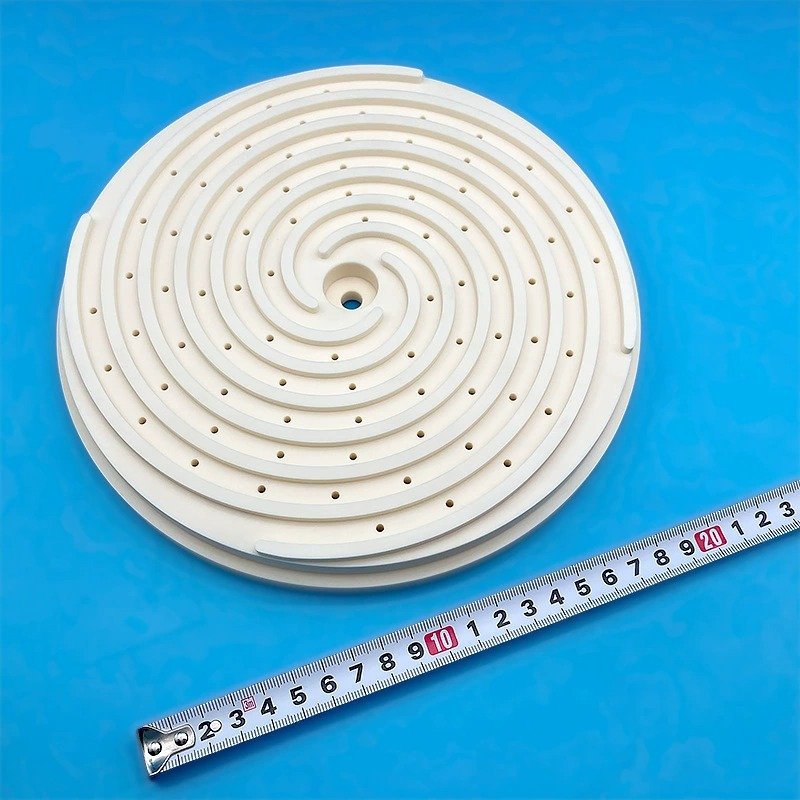
Share the part type, material, dimensions and order quantity for a practical response.
Most industrial ceramic components are designed around a machine, fixture, pump, sensor or production process. HERUN reviews the drawing and working condition before recommending material and production route.
Alumina and zirconia rods, plungers, guide pins, shafts and positioning components for wear, insulation and dimensional stability.
Insulating tubes, protection tubes, bushings, spacers and precision sleeves with custom inner diameter, outer diameter and length.
Seal rings, wear rings, washers, spacers and round components for pumps, valves, rotating equipment and industrial assemblies.
Insulating plates, blocks, support parts, fixtures and substrates with machined holes, slots, grooves and working surfaces.
Nozzles, caps, guides, seats, inserts and other custom ceramic components for automation, printing, sensors and machinery.
Support for sample review, prototype batches, inspection and repeat production after the component design is confirmed.
HERUN focuses on custom ceramic components for real equipment manufacturers and industrial buyers, not only simple stock shapes.
The correct material depends on load, temperature, wear, impact, insulation and chemical exposure. These are representative choices for early design discussion.
| Material | Best fit | Typical component examples | Design notes |
|---|---|---|---|
| Alumina Al2O3 | Insulation, wear resistance, heat and cost-effective production | Insulating tubes, washers, spacers, rods, rings, plates | Good first choice for many technical ceramic components. |
| Zirconia ZrO2 | Toughness, polished sliding contact and precision wear parts | Sleeves, bushings, shafts, plungers, seal parts | Useful when chipping risk or sliding surface quality matters. |
| Other advanced ceramics | Special thermal, wear or chemical requirements | Application-specific rings, tubes, seats or inserts | Quoted when material and quantity fit the process. |
A drawing is the fastest path, but a sample photo and measured dimensions can start the review. For technical ceramic components, the working condition is often as important as the shape.
A drawing, sketch or sample photo is best. Please also include material preference, dimensions, tolerances, surface finish, working temperature, wear or insulation requirements and estimated quantity.
Yes. HERUN can review sample photos and measured dimensions for many rods, tubes, rings, sleeves, washers, spacers and special ceramic components before making a production drawing.
Alumina is commonly used for wear resistance, electrical insulation and cost-effective production. Zirconia is often selected for higher toughness, polished sliding surfaces and precision wear parts.
HERUN focuses on made-to-drawing alumina and zirconia parts for buyers who need a specific fit, working surface or service condition. The fastest route to the right page is to start with material, shape or application.
Alumina components for insulation, heat and wear; zirconia components for tougher precision wear and sliding contact.
Rods, tubes, pins and sleeves, plus rings and seal components.
Drawing review and precision finishing for functional features.
Typical uses in sealing, insulation, machinery, thermal equipment and fluid handling.
Use the alumina versus zirconia guide to frame early questions.
Follow the drawing and specification checklist before submitting.
Material, shape, application or existing failure.
Mark critical features and current revision.
Align geometry, tolerance, finish and ceramic choice.
Prototype, inspection, repeat quantity and delivery needs.
For suitable features, an approximate 0.01 mm tolerance can be reviewed. The decision depends on material, geometry, size, accessibility, finish and measurement method.